Creating a home workspace that is both sustainable and organised can greatly enhance your productivity and well-being. With more people working from home than ever before, it’s important to design a space that supports your work needs while also being mindful of the environment. This guide shares practical tips to help you build an efficient, eco-friendly workspace that keeps clutter at bay and promotes a focused mindset.
Why a Sustainable and Organised Workspace Matters
A well-organised workspace reduces distractions and stress, allowing you to concentrate better and work more effectively. Meanwhile, a sustainable approach minimises your environmental impact and often leads to long-term savings. Combining these two goals ensures your home office is functional, eco-conscious, and enjoyable to use.
Choosing the Right Location
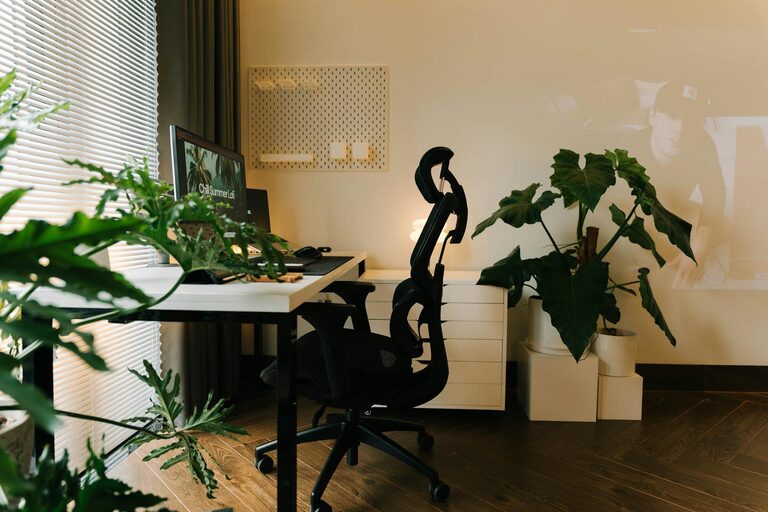
Start by selecting a quiet, well-lit spot in your home for your workspace. Natural light is ideal, as it boosts mood and reduces the need for artificial lighting. If possible, set up near a window to take advantage of daylight. Consider spaces where you won’t be disturbed by household noise or high traffic.
Furniture: Durable and Eco-Friendly
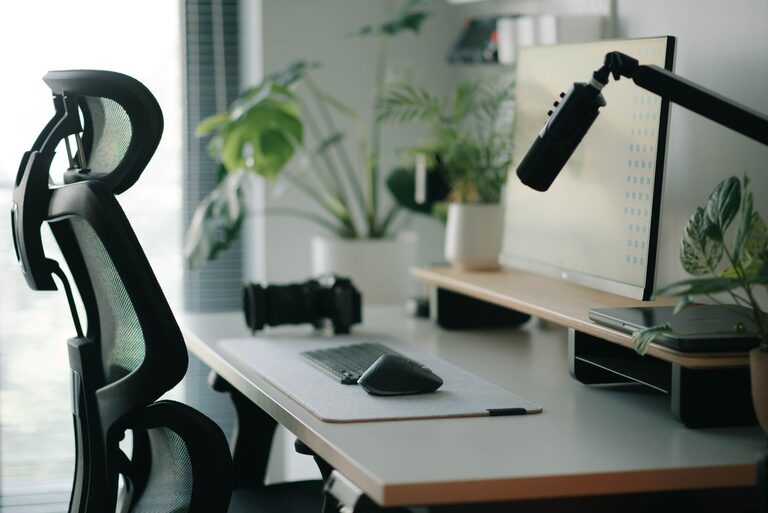
Invest in quality furniture built to last. Look for pieces made from sustainable materials such as FSC-certified wood, bamboo, or recycled metals. Avoid cheap, plastic-heavy options that may break quickly and contribute to waste. Second-hand or upcycled furniture can be a fantastic sustainable and budget-friendly choice.
When selecting your chair and desk:
– Opt for ergonomic designs to support good posture.
– Choose adjustable desks if you prefer alternating between sitting and standing.
– Ensure the desk surface is large enough for your work essentials but not oversized, to reduce material use.
Declutter and Organise
Keeping your workspace tidy is key to maintaining focus and efficiency.
Tips for effective decluttering:
– Regularly sort through your paperwork. Digitise documents to reduce paper use.
– Use organisers like trays, file holders, and drawer dividers to keep items in place.
– Assign a specific spot for every item, from stationery to chargers.
– Avoid accumulating unnecessary gadgets or supplies by adopting a “one in, one out” rule.
Storage solutions that support sustainability:
– Choose organisers made from natural fibres or recycled materials.
– Reuse containers and jars to store pens, clips, and other small items.
– Label everything clearly to save time searching.
Eco-Friendly Office Supplies
Switching to environmentally friendly supplies helps lower waste and pollution.
Consider these options:
– Recycled or sustainably sourced paper.
– Refillable pens and pencils instead of disposable ones.
– Non-toxic, water-based adhesives and inks.
– Energy-efficient devices with low power consumption.
Use digital tools when possible to reduce paper use, such as note-taking apps or digital calendars.
Lighting and Energy Use
Good lighting is crucial for comfort and productivity.
– Maximise daylight by positioning your desk near windows.
– Choose LED bulbs, which use less energy and last longer.
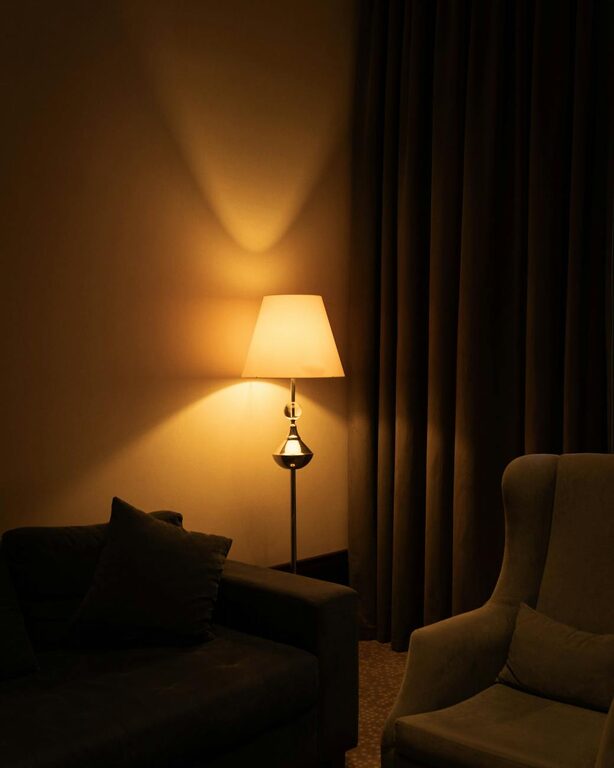
– Use task lighting to focus on your work area, reducing the need to light the whole room.
– Switch off lights and unplug electronics when not in use to save energy.
Indoor Plants for Air Quality and Wellbeing
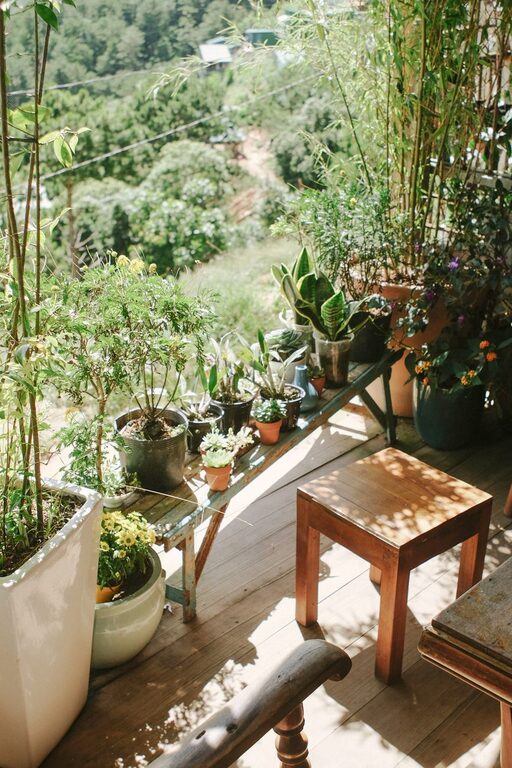
Adding plants to your workspace can improve air quality and create a relaxing atmosphere. Plants like spider plants, peace lilies, and pothos are low maintenance and known for their air-purifying properties. They also bring a touch of nature indoors, which can boost creativity and reduce stress.
Digital Organisation and Workflow
An organised digital workspace complements your physical one.
– Keep your desktop and folders tidy by regularly sorting and deleting unnecessary files.
– Use cloud storage for easy access and to reduce dependence on physical backup devices.
– Backup essential files regularly to avoid data loss.
– Utilise apps and programmes that enhance productivity and reduce paper tasks.
Maintaining Your Workspace
Sustainability and organisation are ongoing practices. Schedule regular cleaning and decluttering sessions. Reassess your furniture and supplies yearly to ensure they still meet your needs sustainably.
Here are some maintenance tips:
– Clean your workspace weekly to keep dust and allergens away.
– Repair or repurpose items rather than replacing them.
– Donate or recycle unwanted furniture and equipment responsibly.
– Keep track of energy use and adjust habits to improve efficiency.
Final Thoughts
Creating a sustainable and organised home workspace doesn’t have to be complicated. By making thoughtful choices about location, furniture, supplies, and habits, you can build an environment that supports your productivity while being kind to the planet. Take small steps today and enjoy the benefits of a workspace that works for you and the environment alike.
About the Author