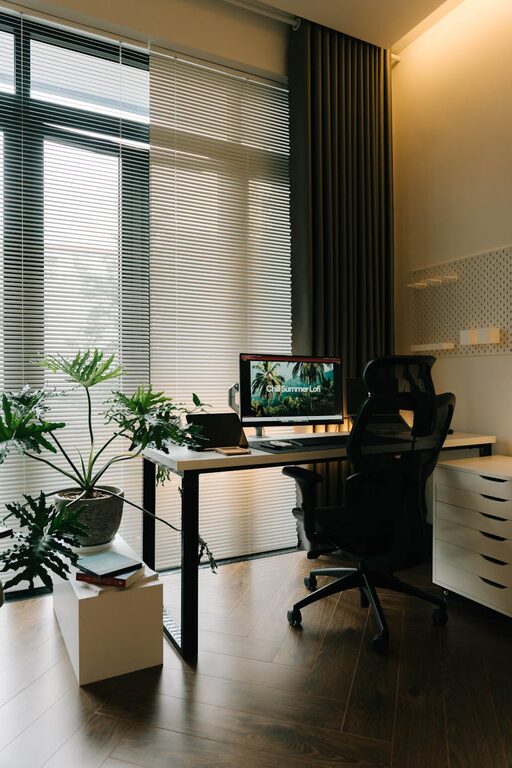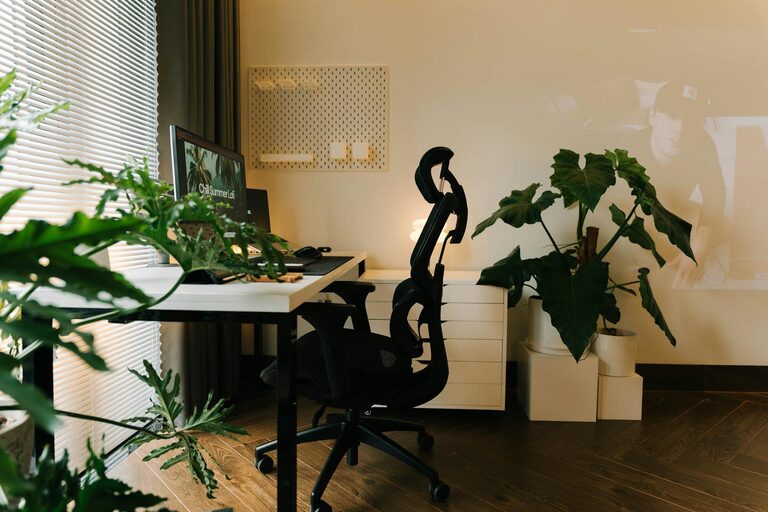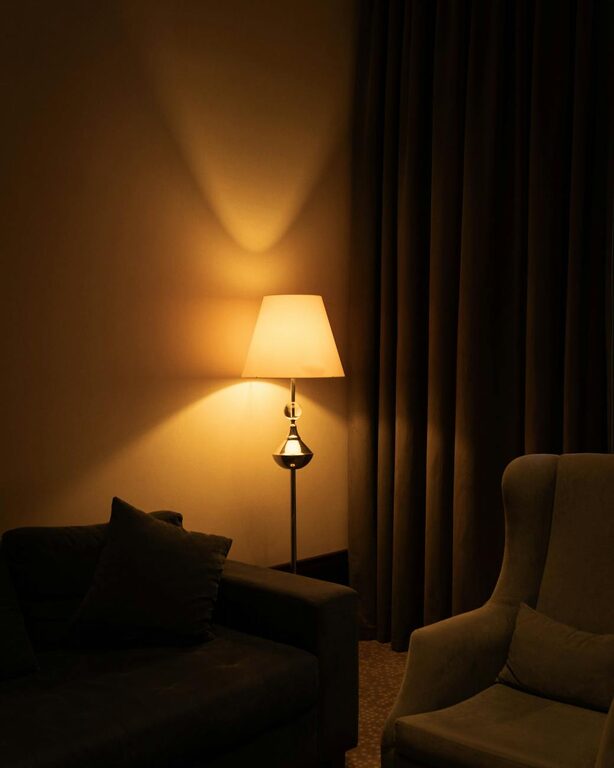

Creating a productive home office environment is essential in today’s world where more people are working remotely. Whether you’re a full-time home worker or occasionally bringing tasks home, setting up a space that supports your concentration and well-being can make all the difference. This guide offers practical tips to help you craft a workspace where you can thrive.
Choosing the Right Location
The first step is to find a suitable spot in your home. Ideally, this should be a quiet area where you can minimise distractions.
– Separate space: If possible, choose a room dedicated solely to work. This helps to create a clear boundary between work and leisure.
– Natural light: Look for an area with plenty of daylight. Natural light boosts mood and reduces eye strain.
– Away from high traffic: Avoid spaces near busy household areas like the kitchen or living room where noise and interruptions are frequent.
Investing in Ergonomic Furniture
Comfort is key to staying productive during long work hours.
– Desk and chair: Choose an adjustable chair that supports your back and a desk at the right height to avoid slouching.
– Monitor placement: Position your screen so that the top is at eye level to maintain good posture.
– Keyboard and mouse: Consider ergonomic designs to reduce strain on your wrists.
Organising Your Workspace
A tidy environment helps your mind to stay focused.
– Declutter regularly: Only keep essential items on your desk.
– Storage solutions: Use shelves, filing cabinets, or boxes to organise documents and supplies.
– Cable management: Keep cords neat and out of sight to avoid distractions and hazards.
Optimising Lighting
Proper lighting reduces fatigue and maintains alertness.
– Use a combination of natural and artificial light.
– Avoid glare: Position your screen perpendicular to windows and use blinds if necessary.
– Desk lamp: Invest in an adjustable lamp for focused lighting when needed.
Minimising Noise
Background noise can interfere with concentration.
– Quiet room: Select a location away from noisy appliances or street noise.
– Noise-cancelling headphones: These can help block out distractions, especially in a busy household.
– Soundproofing: Consider rugs, curtains, or foam panels to absorb sound.
Creating a Personal Yet Professional Atmosphere
Your home office should reflect professionalism but also feel welcoming.
– Decorate thoughtfully: Use calming colours and add plants to improve air quality and mood.
– Inspiration board: Keep motivational quotes, goals, or images visible to maintain focus.
– Minimise personal distractions: Avoid placing non-work-related items where they might distract you.
Establishing Boundaries and Routine
Creating habits supports ongoing productivity.
– Set work hours: Define your start and finish times clearly.
– Breaks: Schedule short breaks to rest and recharge your mind.
– Communicate boundaries: Let others in your household know when you should not be disturbed.
Utilising Technology Efficiently
Choose tools that help rather than hinder your workflow.
– Reliable internet: Ensure your connection is fast and stable.
– Productivity apps: Use calendars, task managers, and note-taking apps to keep organised.
– Backup systems: Regularly save your work and use cloud storage to prevent data loss.
Prioritising Wellbeing
Your health has a direct impact on productivity.
– Stay hydrated and nourished: Keep a water bottle and healthy snacks nearby.
– Move regularly: Incorporate stretches or short walks to avoid stiffness.
– Mental breaks: Take time for breathing exercises or relaxation techniques to reduce stress.
Regularly Reviewing Your Setup
Your needs may change over time, so keep assessing your workspace.
– Adjust furniture and layout as necessary for comfort.
– Update equipment to improve efficiency.
– Reflect on routines and make changes if certain aspects aren’t working.
—
By following these tips, you can create a home office environment that enhances your productivity and comfort. A well-planned workspace supports your ability to focus, manage tasks effectively, and maintain a healthy work-life balance. Start small and make gradual improvements to find what works best for you.
About the Author