Creating a cosy and inviting home office space can significantly enhance your work-from-home experience. When your workspace feels welcoming and comfortable, you’re more likely to stay focused, motivated, and even enjoy the process of working. Whether you have a dedicated room or just a small corner of your home set aside for work, these tips will help you design a home office that balances function with warmth.
1. Choose the Right Location
The first step is selecting a spot that suits your work style.
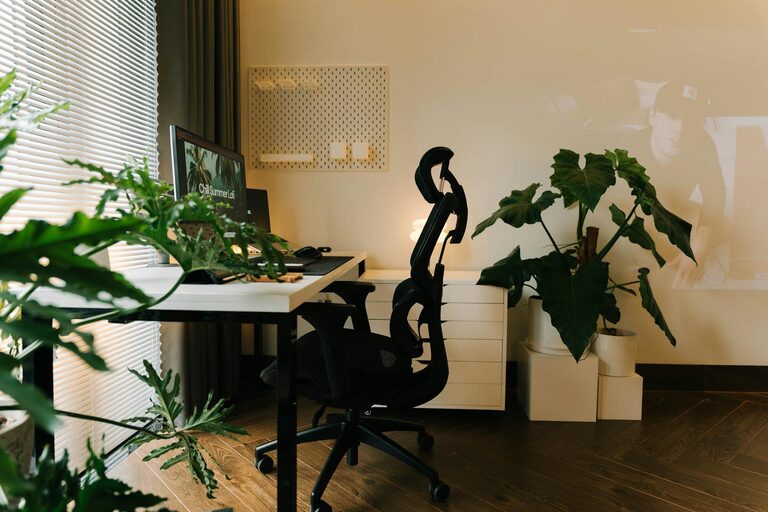
– Natural Light: Aim to position your desk near a window. Natural light helps improve mood and reduces eye strain.
– Minimise Distractions: Pick a quiet corner or a room where you won’t be easily disturbed.
– Space Considerations: Ensure there’s enough room for your desk, chair, and any equipment or storage you need.
If space is limited, consider creative options like a fold-away desk or a compact workstation that fits discreetly in your living area.
2. Invest in Comfortable Furniture
Comfort is key to productivity, so choose furniture that supports long hours of work.
– Ergonomic Chair: A good chair with adjustable height and lumbar support prevents back pain.
– Desk Height: Your desk should allow your arms to rest comfortably at a right angle.
– Additional Seating: If space allows, add a comfy chair or small sofa for reading or relaxation breaks.
Prioritising quality here will pay off in the long run by making your home office a healthy environment.
3. Create a Soothing Colour Scheme
Colours play a big part in setting the mood of your office.
– Calming Shades: Soft blues, greens, or neutral tones promote focus and calm.
– Accent Colours: Add pops of brighter colours through accessories like cushions, rugs, or artwork to keep the space interesting.
– Consistency: Try to use a cohesive palette to create a harmonious and inviting atmosphere.
Avoid overly bright or harsh colours that might be distracting or fatigue your eyes.
4. Optimise Lighting
Good lighting is essential for both comfort and functionality.
– Task Lighting: Use a desk lamp with adjustable brightness for focused work.
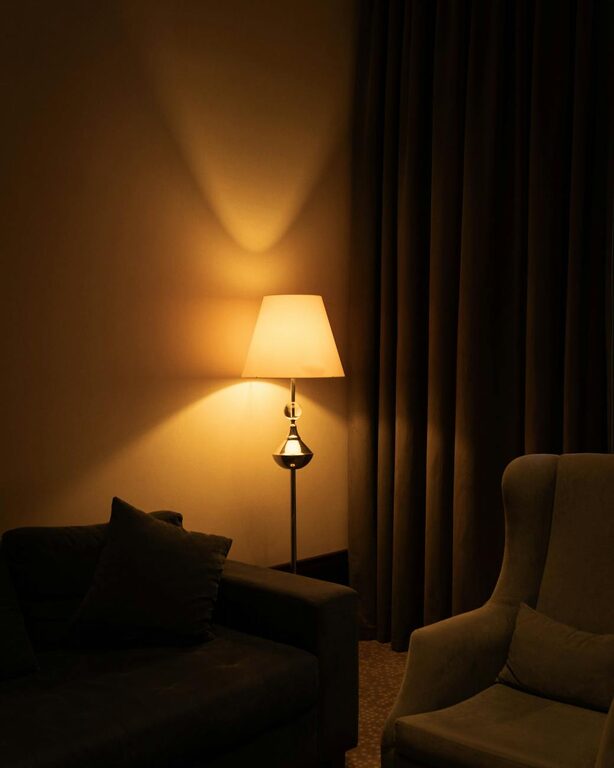
– Ambient Light: Soft overhead lighting or floor lamps can make the room feel warm and welcoming.
– Avoid Glare: Make sure screens don’t reflect window light directly, which can cause strain.
Using a combination of natural and artificial light ensures you have the right brightness for all tasks.
5. Personalise Your Space
Personal touches make your office feel more inviting and less clinical.
– Artwork and Photos: Hang pictures that inspire you or add framed photos of loved ones.
– Plants: Indoor plants not only improve air quality but also bring a lively, natural feel.
– Accessories: Use colourful stationery, decorative cushions, or a stylish clock to reflect your personality.
Remember, though, to keep personal items organised so the space doesn’t become cluttered.
6. Keep Organised and Clutter-Free
A tidy workspace helps maintain focus and reduces stress.
– Storage Solutions: Use shelves, filing cabinets, or desk organisers to keep documents and supplies in order.
– Cable Management: Employ cable clips or sleeves to prevent wires from tangling.
– Clear Desk Policy: At the end of each day, clear your desk to create a fresh start the next morning.
Regularly decluttering your space won’t just make it look better; it’ll help your mind feel clearer too.
7. Incorporate Technology Thoughtfully
Technology is essential but doesn’t have to dominate your space.
– Wireless Options: Consider wireless keyboards, mice, or headphones to reduce cable clutter.
– Charging Station: Create a designated spot for charging devices.
– Monitor Stands: Raise screens to eye level for better posture.
Choose gadgets that simplify your work without overwhelming your décor.
8. Add Comfort Elements
Small additions can significantly increase your comfort during long hours.
– Soft Textiles: Include a cosy throw blanket or cushioned chair pads.
– Scent: Light a scented candle or use an essential oil diffuser with calming fragrances like lavender.
– Temperature Control: Use a fan or heater if necessary to keep the room at a comfortable temperature.
These little touches make your workspace feel inviting and reduce fatigue.
9. Set Boundaries for Work-Life Balance
Creating a physical or mental boundary between work and home life is important.
– Dedicated Hours: Use your home office only during work hours to help separate work time from personal time.
– Visual Cues: Close the office door or draw a curtain when the day ends to signal the shift.
– Break Areas: Use another room or space for lunch or breaks to avoid feeling constrained.
Establishing these habits will help you recharge and prevent burnout.
—
Final Thoughts
Designing a cosy and inviting home office is about more than just aesthetics—it’s about creating a functional, personalised environment that supports your well-being and productivity. By paying attention to comfort, lighting, colour, and organisation, you can transform any space into a workspace you genuinely enjoy. Take the time to tailor your office to your needs, and you might find working from home more rewarding than ever before.
About the Author