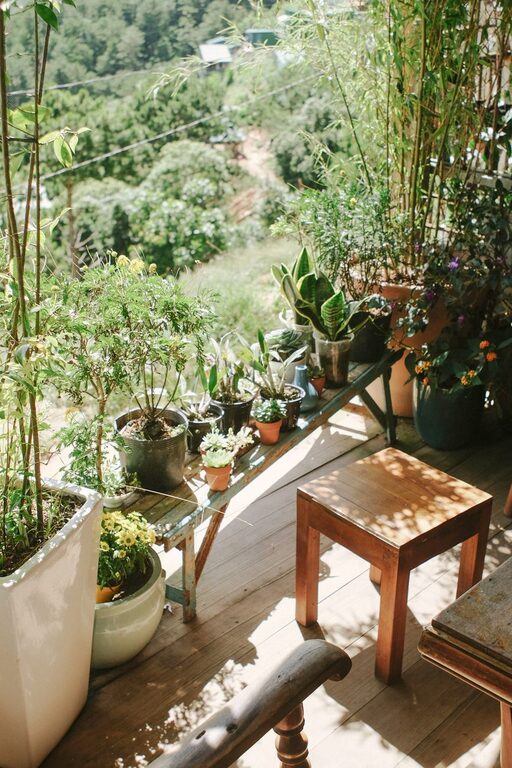
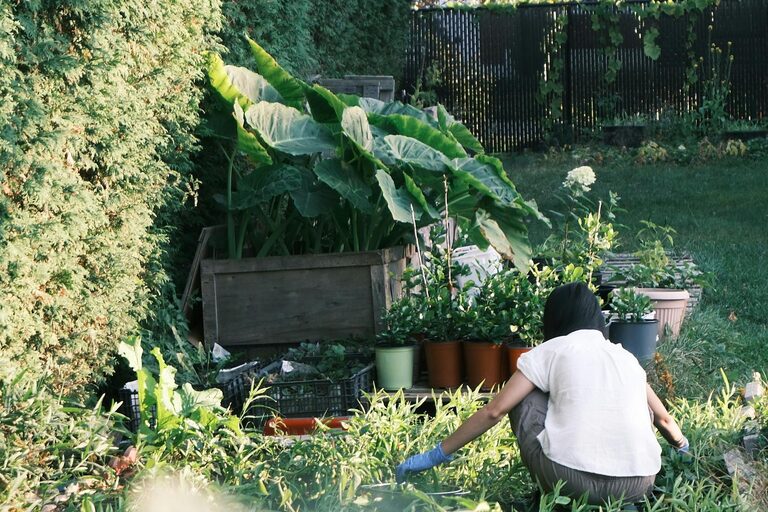
Creating a sustainable home garden is not only rewarding but also benefits the environment and your wellbeing. By adopting eco-friendly practices, you can enjoy fresh, healthy plants while reducing waste and conserving resources. In this guide, we’ll explore practical tips to help you establish and maintain a sustainable garden throughout the seasons.
Why Choose a Sustainable Garden?
A sustainable garden:
– Minimises waste and chemical use
– Conserves water and improves soil health
– Supports local wildlife and biodiversity
– Reduces your carbon footprint
– Provides fresh food and plants for your household
By focusing on long-term health and eco-friendly methods, your garden can flourish all year while protecting the planet.
Planning Your Garden for All Seasons
1. Assess Your Space and Climate
Begin by understanding your garden’s size, sunlight exposure, soil type, and local climate. This knowledge helps you choose suitable plants that will thrive with less effort and fewer resources.
2. Choose Native and Hardy Plants
Native species are adapted to the local environment, requiring less water, fertiliser, and pest control. Hardy plants withstand weather changes better, making year-round gardening easier.
3. Incorporate Seasonal Planting
Plan your garden to include plants that grow well in different seasons. Rotate crops and mix perennials with annuals to maintain soil vitality and continuous harvests.
Eco-Friendly Garden Practices
1. Composting for Healthy Soil
Create your own compost from kitchen scraps, garden waste, and leaves. Compost enriches soil nutrients naturally, reducing the need for artificial fertilisers.
2. Water Wisely
To conserve water:
– Use rainwater collection systems
– Water plants early in the morning or late evening
– Employ drip irrigation or soaker hoses for efficiency
– Mulch soil to retain moisture and reduce evaporation
3. Reduce Chemical Inputs
Avoid synthetic pesticides and herbicides. Instead, use natural pest controls such as companion planting, encouraging beneficial insects, and homemade organic sprays.
4. Save Seeds and Propagate
Collect seeds from your healthiest plants for next season’s growth. Propagating through cuttings or division also reduces the need to buy new plants and preserves genetic diversity.
Maintaining Your Garden Throughout the Year
Spring and Summer
– Prepare soil by adding organic matter before planting
– Plant fast-growing vegetables and flowers early for continuous harvests
– Monitor for pests and diseases regularly
– Keep mulch topped up to conserve moisture and suppress weeds
Autumn and Winter
– Use crop rotation to avoid soil depletion
– Plant cover crops like clover or rye to protect and enrich soil
– Prune deciduous plants during dormancy to encourage healthy growth
– Clear fallen leaves to prevent fungal diseases, but consider using some as mulch or compost material
Supporting Biodiversity
Encourage wildlife by:
– Installing bird feeders or nesting boxes
– Creating habitats with wildflower patches or log piles
– Avoiding chemical treatments harmful to insects and animals
A thriving ecosystem balances garden health naturally.
Tools and Materials for a Sustainable Garden
Invest in quality, long-lasting tools to reduce waste. Consider hand tools over powered ones for small gardens. Use natural materials for garden beds, paths, and supports to maintain an eco-friendly space.
Final Thoughts
Building a sustainable home garden is a year-round commitment that pays off with vibrant plants, less waste, and a positive impact on the environment. By planning wisely, conserving resources, and embracing natural methods, you create a garden that is both beautiful and kind to the planet.
Start small, be patient, and enjoy the process of nurturing your green space sustainably all year long.
About the Author