Creating a home office that feels both cosy and welcoming can make a significant difference to your workday. Whether you’re working remotely full-time or just need a dedicated spot for occasional tasks, a well-designed workspace can enhance your focus, reduce stress, and boost creativity.
In this post, we’ll share practical tips to help you build a home office environment that combines comfort with functionality. From lighting and furniture to organising and personal touches, these ideas will encourage a pleasant, productive atmosphere.
Choose the Right Location
Find a Quiet Spot
Selecting a quiet area in your home is essential to minimise distractions. If possible, choose a room or corner where noise and foot traffic are limited, helping you stay focused during work hours.
Consider Natural Light
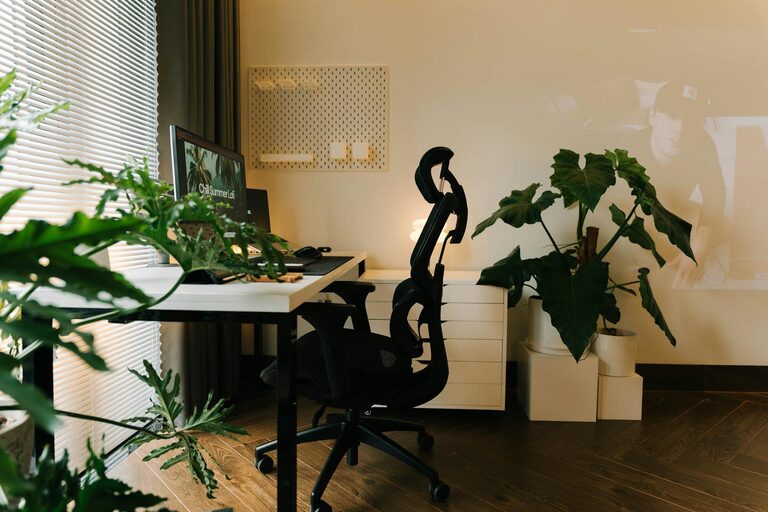
A workspace with plenty of natural light can lift your mood and reduce eye strain. Position your desk near a window, but avoid direct glare by using sheer curtains or blinds.
Invest in Comfortable and Functional Furniture
Ergonomic Chair and Desk
Comfort is key in a home office. Investing in an ergonomic chair supports good posture and prevents back discomfort. Pair it with a desk at the right height to keep wrists and arms comfortable while typing.
Adequate Desk Space
Ensure your desk has enough surface area to fit your computer, notebook, and any other essentials you use daily without feeling cramped.
Enhance Lighting for Comfort and Productivity
Layer Your Lighting
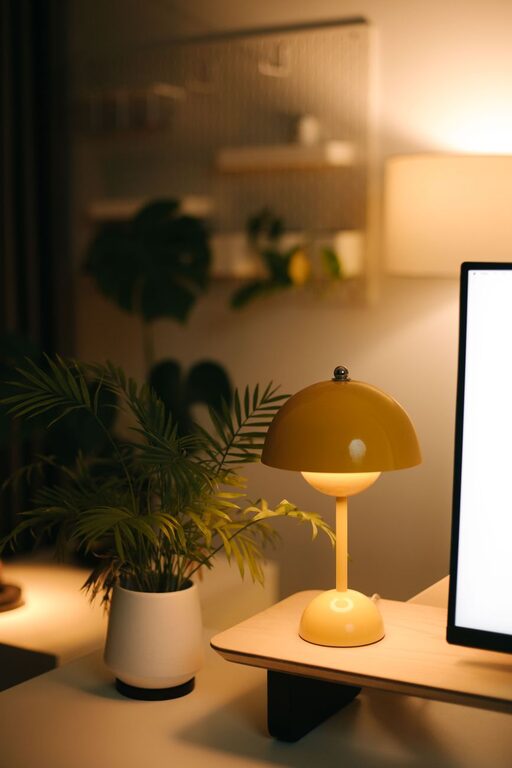
Relying on just one light source can cause eye fatigue. Combine natural light with ambient lighting (like ceiling lights) and task lighting (such as a desk lamp) for a balanced effect.
Choose Warm Light Bulbs
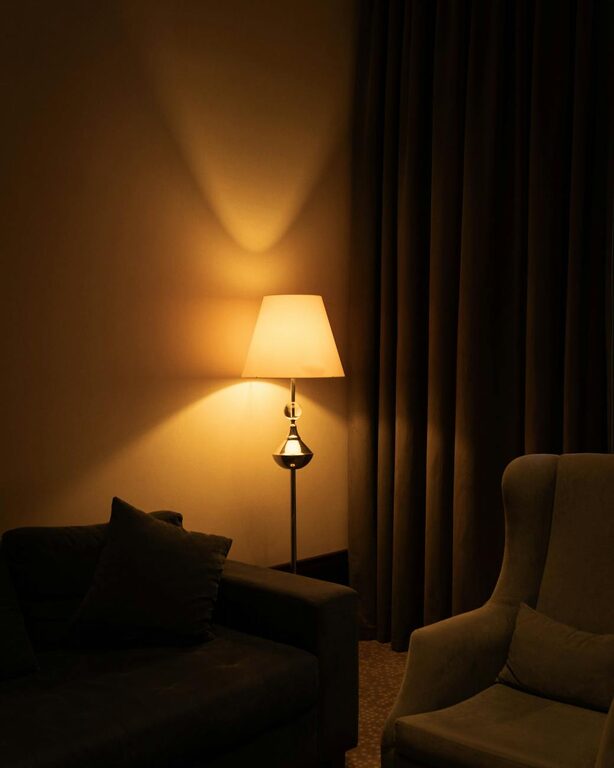
Warm-toned bulbs create a cosy atmosphere and make the room feel inviting. Cooler lights, while often recommended for offices, can sometimes feel harsh in home settings.
Keep Your Space Organised and Clutter-Free
Use Storage Solutions
Shelving units, drawers, and boxes help keep paperwork and supplies organised. Declutter regularly to maintain a tidy workspace that encourages concentration.
Personalised Organisers
Consider using planners, cork boards, or desk trays to organise tasks and notes visually, which can improve your workflow.
Add Soft Textiles and Comfortable Accessories
Rugs and Cushions
Adding a soft rug underfoot or cushions on your chair can increase comfort and introduce warmth to the room.
Curtains and Throws
Window treatments can soften the hard lines of a workspace and provide privacy. A cosy throw can come in handy for chilly days.
Infuse Personal Touches Thoughtfully
Artwork and Photos
Decorate your walls with artwork, inspirational quotes, or personal photos that make the space feel uniquely yours without causing distraction.
Plants
Indoor plants not only brighten the room but also improve air quality and reduce stress, contributing to a calming environment.
Maintain Good Air Quality and Temperature
Ventilation
Regularly airing out your workspace helps keep the air fresh and reduces stuffiness.
Temperature Control
Use fans, heaters, or air conditioning as needed to keep the temperature comfortable throughout the day.
Establish a Clear Boundar y Between Work and Leisure
Define Your Workspace
Even in a small home, creating a clear division between your work area and rest of your living space helps mentally separate work from relaxation.
End-of-Day Routine
Develop rituals like tidying your desk or turning off your computer to signal the end of the workday, supporting a healthy work-life balance.
Final Thoughts
A cosy and welcoming home office isn’t just about aesthetics—it’s about creating a space where you feel comfortable, motivated, and productive. By paying attention to lighting, comfort, organisation, and personal touches, your workspace can become a positive environment that supports your daily tasks and wellbeing.
Remember, your home office is uniquely yours. Experiment with these tips and adjust them until you find the perfect balance that suits your needs. Happy working!
About the Author