Creating a peaceful and relaxing home environment can significantly improve your mental wellbeing. Our living space is where we spend much of our time, and having a supportive atmosphere can reduce stress, boost mood, and promote a sense of calm. Fortunately, making your home a sanctuary doesn’t have to be complicated or expensive. Here are simple, practical ways to cultivate relaxation and comfort in your living space.
1. Declutter to Clear Your Mind
A cluttered home often means a cluttered mind. Mess and disorder can cause stress and distraction. Start by tidying up key areas you frequently use:
– Clear surfaces such as tables, countertops, and desks.
– Sort out unnecessary items and donate or recycle what you no longer need.
– Use baskets or boxes to organise belongings neatly.
By creating organised spaces, you reduce visual noise and allow your mind to rest.
2. Let in Plenty of Natural Light
Natural light has a powerful effect on mood and energy. Exposure to daylight helps regulate your body’s internal clock and boosts production of serotonin, the “feel-good” hormone. To maximise natural light:
– Keep windows clean and unobstructed.
– Use light, sheer curtains rather than heavy drapes.
– Arrange mirrors to reflect daylight around the room.
If natural light is limited, consider warm artificial lighting that mimics daylight rather than harsh fluorescent bulbs.
3. Incorporate Calming Colours
Colour influences emotions and feelings more than many realises. Soft, muted tones often promote relaxation and comfort. Consider decorating your home with:
– Pastel shades, such as soft blues, greens, lavender, or beige.
– Neutral colours that create a peaceful backdrop.
– Avoid overly bright or clashing colours that might feel overstimulating.
Even small changes like cushions, throws, or wall art can introduce soothing hues.
4. Bring Nature Indoors
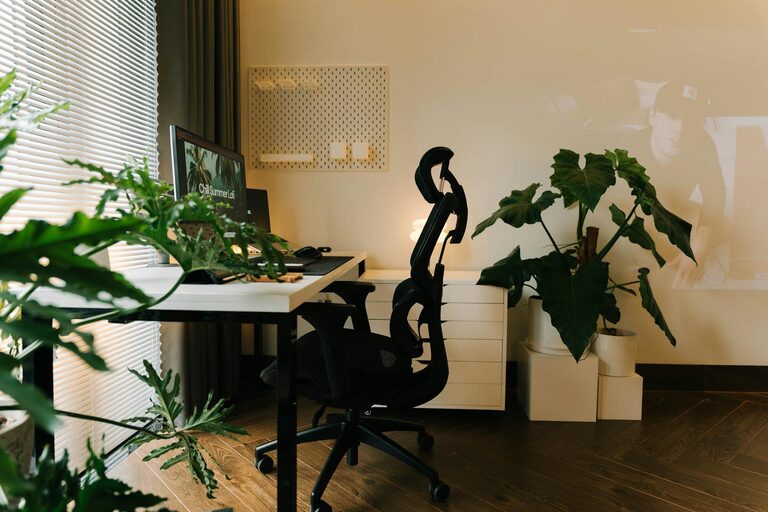
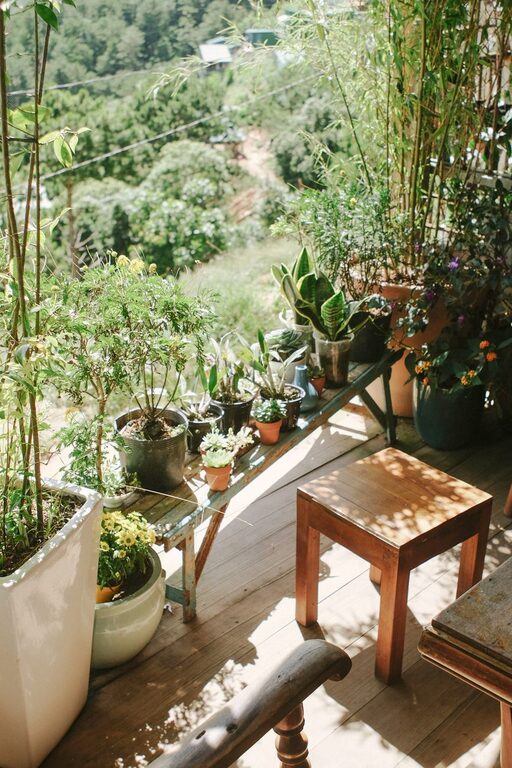
Adding natural elements to your home can create a calming effect and improve air quality. Plants, flowers, and natural materials like wood or stone help connect you with nature. Ways to bring nature inside:
– Place a few easy-care houseplants in favourite rooms.
– Use wooden furniture or accessories.
– Add natural smells like fresh herbs or essential oils such as lavender.
Having a touch of greenery around can improve mood and reduce anxiety.
5. Create a Quiet Corner for Mindfulness
Dedicate a small space where you can relax, meditate, read, or practise mindfulness. This area should be comfortable and free from distractions. Tips to set up your quiet corner:
– Use cosy cushions or a comfortable chair.
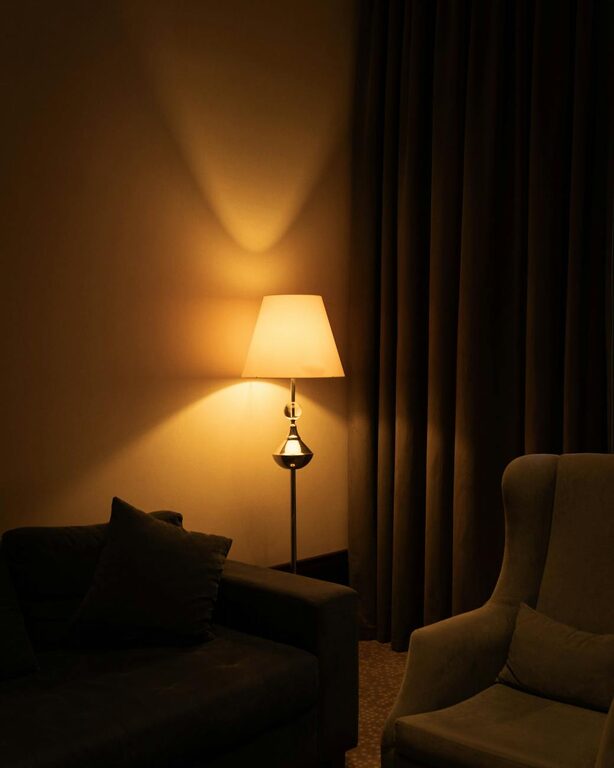
– Include soft lighting like a lamp or candles.
– Add calming objects such as a small indoor fountain, crystals, or favourite books.
This spot becomes your retreat for moments of peace during a busy day.
6. Use Aromatherapy for Relaxation
Scents can strongly impact how we feel and can help create a relaxing atmosphere. Aromatherapy uses essential oils known for their calming properties. Popular options include:
– Lavender, known to reduce stress and promote sleep.
– Chamomile, for soothing feelings of anxiety.
– Eucalyptus or peppermint, which refresh and clear the mind.
Use essential oil diffusers, scented candles, or simply fresh herbs to fill your home with gentle, mood-lifting aromas.
7. Minimise Noise with Soft Textiles
Unwanted noise can disrupt relaxation. Soft furnishings help absorb sound and create a quieter environment. Some ideas:
– Place rugs or carpets on hard floors.
– Add curtains and cushions made from soft fabrics.
– Use upholstered furniture instead of hard surfaces.
If outside noise is an issue, white noise machines or calming music can also help mask distractions.
8. Personalise Your Space with Positive Touches
Your home should reflect what makes you feel happy and calm. Personalise your environment with:
– Photos of loved ones or happy memories.
– Artwork or decorations that inspire tranquility.
– Favourite books, cosy blankets, or treasured keepsakes.
Having items around that bring comfort and joy helps build emotional warmth in your space.
9. Maintain a Comfortable Temperature
Being too hot or too cold can interfere with relaxation. Keep your home at a comfortable, moderate temperature. Tips include:
– Use fans or heaters as needed to maintain a cosy climate.
– Dress in comfortable clothing suited to the temperature.
– Open windows occasionally for fresh air circulation.
A comfortable temperature supports rest and a relaxed feeling.
10. Establish a Relaxing Routine at Home
Finally, creating a mindful home environment often goes hand-in-hand with your daily habits. Try to:
– Set aside time each day for relaxation activities like reading, stretching, or listening to soothing music.
– Avoid screens and work-related tasks in your relaxation space.
– Practice gratitude or journaling to focus on positive moments.
Consistency in these routines helps reinforce your home as a mental sanctuary.
—
Creating a relaxing home environment doesn’t require major changes or a big budget. By incorporating just a few of these simple steps, you can build a space that supports your mental wellbeing and offers a peaceful refuge from daily stresses. Your home can become a place where both body and mind can recharge.
Remember, small improvements add up over time. Start with one or two ideas that feel manageable and see how they transform your space and mood. With gentle effort and attention, you’ll create a calmer, more nurturing home to enjoy every day.
About the Author