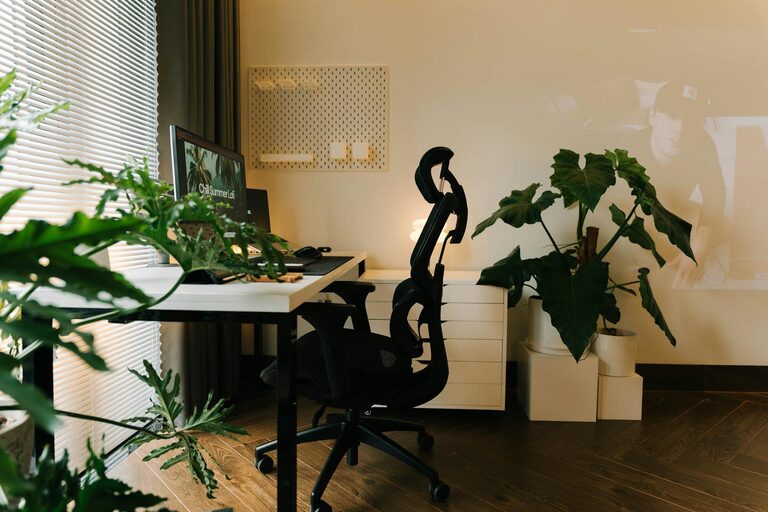
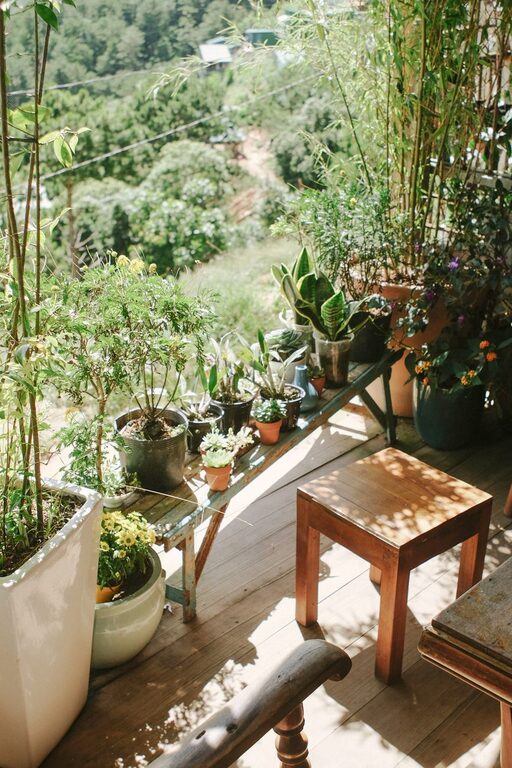
Creating a relaxing garden space at home can be a rewarding project, giving you a peaceful spot to unwind, connect with nature, and enjoy fresh air. Whether you have a large garden or a small balcony, with some thoughtful planning and a few simple additions, you can turn your outdoor area into a calming oasis.
In this blog post, we’ll explore practical tips and ideas to help you design a garden that soothes the senses and supports your wellbeing.
1. Plan Your Garden Layout Thoughtfully
Before you start digging or planting, take time to plan your garden layout with relaxation in mind.
– Identify quiet corners: Look for parts of your garden that are sheltered from noise and busy roads.
– Create zones: Divide your garden into zones such as seating areas, flower beds, and open spaces. A dedicated relaxation spot helps people know where to unwind.
– Consider privacy: Use hedges, trellises, or screens to create privacy. This makes your garden feel like a serene retreat.
Sketching out a simple plan can clarify where to put features like benches, water fountains, or shade plants.
2. Choose Plants That Promote Calmness
Plants play a crucial role in setting a peaceful atmosphere. Select varieties that offer gentle colours, pleasant scents, and soft textures.
Recommended plants for relaxation:
– Lavender: Known for its soothing scent and lovely purple flowers.
– Jasmine: Fragrant white flowers that bloom in warmer months.
– Ferns: Add lush green foliage with a calming, natural feel.
– Hostas: Great for shaded areas with broad, textured leaves.
– Grasses: Ornamental grasses create soft movement when the breeze blows.
Mix evergreen and seasonal plants to ensure your garden feels inviting all year round. Remember to consider your local climate and soil conditions for the best results.
3. Add Comfortable Seating Options
A relaxing garden needs comfortable seating that invites you to sit for a while and enjoy the surroundings.
– Benches: Classic wooden or metal benches provide sturdy and attractive seating.
– Hammocks or swings: Great for gentle rocking motion and afternoon naps.
– Outdoor cushions and rugs: These add warmth and softness wherever you choose to sit or recline.
– Shade: Use umbrellas, pergolas, or trees to provide relief from the sun.
Aim for seating that fits your garden size and feels welcoming. Arrange seats to face interesting views or areas where you can hear birdsong.
4. Incorporate Gentle Water Features
Water sounds can reduce stress and create soothing ambiance in any garden space.
– Small fountains: Compact and easy to install, fountains offer a gentle trickling sound.
– Ponds: A pond can attract wildlife such as frogs and birds, adding liveliness and calm.
– Water bowls: Simple bowls with floating candles or flowers add beauty and reflectiveness.
Choose options that suit your space and maintenance comfort level. Running water creates white noise that can help mask unwanted sounds.
5. Use Soft Lighting for Evening Relaxation
Good lighting extends your garden’s usability into the evening and adds atmosphere.
– Solar garden lights: Environmentally friendly and easy to place around paths or beds.
– String lights: Create a magical feel when draped over pergolas or shrubs.
– Lanterns and candles: Provide warm, flickering light that encourages relaxation.
Avoid harsh, bright lights. Warm tones are best for creating a calm, inviting environment.
6. Add Elements That Appeal to the Senses
Engaging multiple senses can deepen relaxation and connection to your garden.
– Scent: Beyond lavender and jasmine, consider herbs such as thyme, rosemary, or mint.
– Texture: Include plants with varied leaf textures, stone pathways, or soft moss.
– Sound: Wind chimes or bird feeders can add gentle sounds.
– Taste: A small herb or edible plant section allows for fresh snips and adds interest.
Sensory variety makes your garden not just beautiful but also immersive and restorative.
7. Keep Maintenance Simple and Enjoyable
A garden should add relaxation, not stress. Plan for easy maintenance by:
– Choosing plants suited to your soil and climate.
– Using mulch to reduce weeds and retain moisture.
– Installing drip irrigation or soaker hoses to save watering time.
– Keeping paths clear and seating areas tidy.
If gardening is part of what you find relaxing, set aside time for it regularly. Otherwise, design your space to require minimal upkeep while still looking neat.
Final Thoughts
Creating a relaxing garden space at home is about combining thoughtful design with elements that suit your personal sense of calm. From choosing the right plants, seating, and water features to lighting and sensory touches, every detail can contribute to a soothing retreat.
Take your time planning and enjoy the process. Soon, your garden will become your favourite place to relax, reflect, and rejuvenate.
About the Author